
 Dermatology
Psoriasis treatment aims to control symptoms and their effect on daily life. There is currently no cure, but different treatments can help manage the condition. The right approach depends on the type of psoriasis, the areas affected, severity, other health conditions, and previous response.
A small visible area can still have a large impact if it affects sleep, work, hands, or a sensitive location. Explain that impact during your appointment rather than describing only the size of the patches.
Assessment comes before choosing a treatment
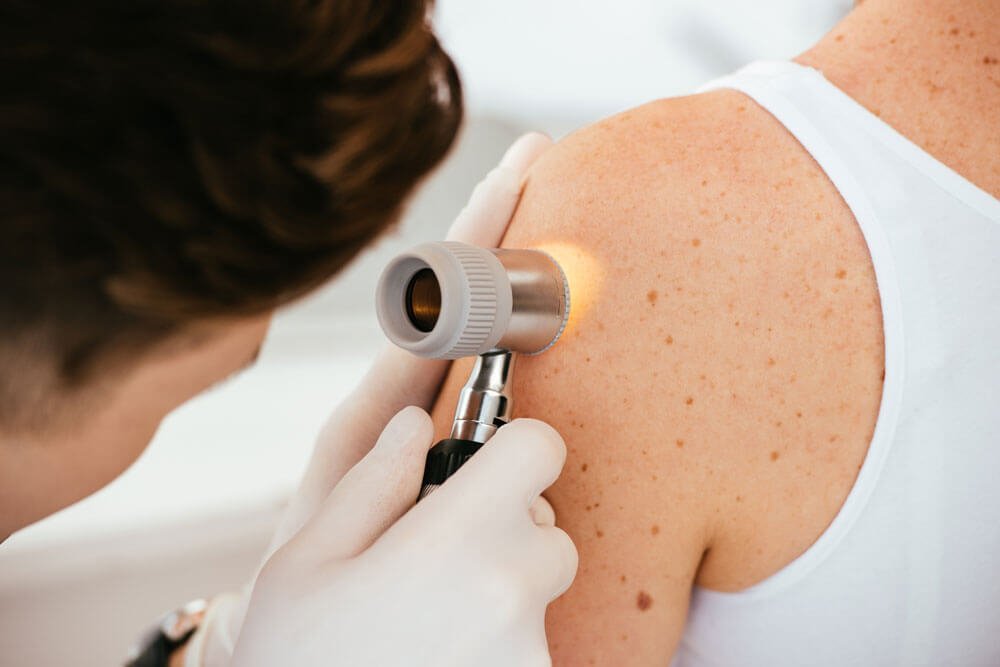
A clinician may examine the skin, scalp, and nails and ask about itching, pain, family history, and current medicines. Some skin conditions resemble psoriasis. If the diagnosis is uncertain, further evaluation may be needed.
Mention joint pain, swelling, or stiffness. Psoriasis can be associated with joint disease, and skin treatment alone does not answer every joint-related concern.
The main treatment categories
Topical treatments are applied to affected areas. They may be considered for localized disease and can include different medicines and formulations suited to the skin, scalp, or other sites.
Phototherapy uses controlled ultraviolet light under medical guidance. It is a clinical treatment, not a recommendation to use tanning beds or expose irritated skin to uncontrolled sunlight.
Systemic medicines, including certain oral or injectable treatments, may be considered when appropriate. They differ in how they work, their risks, and the monitoring required. A dermatologist should discuss these choices in relation to the individual patient.
These are general treatment categories. Their inclusion here does not mean that every option is available at Health Med.
Scalp and nail symptoms need their own discussion
Location can affect the formulation and practical use of treatment. Ask how to apply a scalp product, how to distinguish nail changes from other conditions, and what improvement should be expected. Do not assume that a product used on one area is suitable for another.
Review progress and difficulties
Follow-up is a chance to discuss symptom control, side effects, and how the treatment fits your daily routine. Tell the clinician if cost, irritation, or complicated instructions make it difficult to follow the plan. Do not stop prescribed medicines without discussing the change.
Questions for a dermatology visit
- What is the goal of this treatment for my skin and daily life?
- What monitoring or follow-up is needed?
- What should I do during a flare?
- Do my joint symptoms require another assessment?
For an individual consultation in Jamaica, Queens, see Health Med's psoriasis care page. Medical decisions should be based on your examination and history, not solely on a general treatment overview.