 Dermatology
Rosacea can cause facial flushing, persistent redness, visible blood vessels, or acne-like bumps. Symptoms differ between people, and some also develop eye irritation. Treatment is chosen for the symptoms present rather than for one standard version of the condition.
There is no cure for rosacea, but care can help manage symptoms. A diagnosis matters because acne, irritation from products, and other skin conditions may look similar.
What the clinician considers
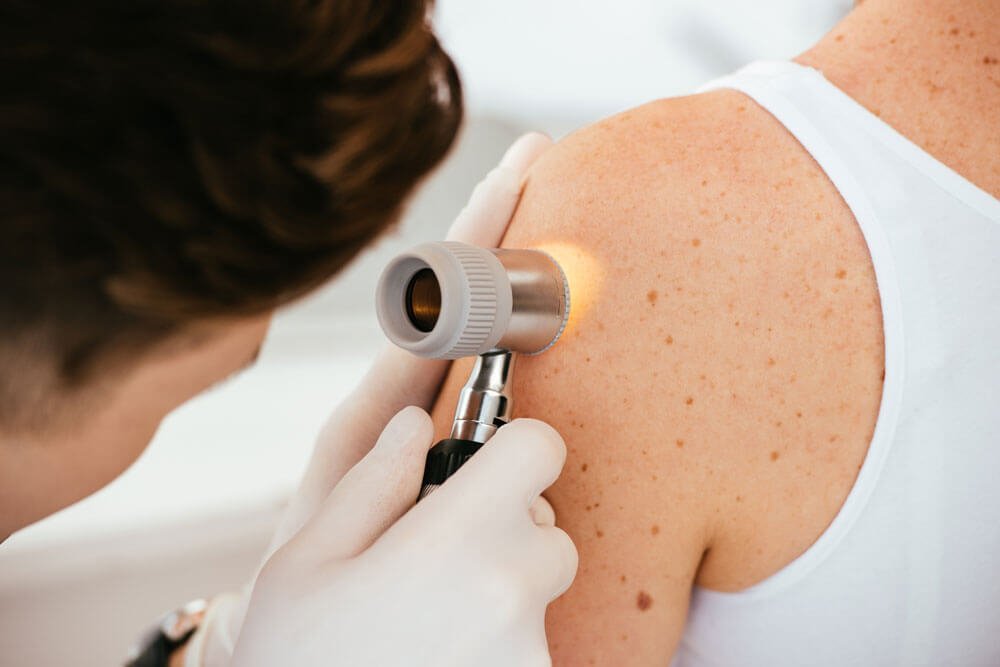
An assessment includes the appearance of your skin, your medical history, and sometimes the eyes. Tell the clinician about the timing of flares, products you use, and treatments that have helped or caused irritation.
If you have red, burning, or irritated eyes, raise this promptly. Eye involvement may need additional evaluation, including care from an eye specialist, rather than simply a change in facial skin products.
How treatment approaches differ
Gentle skin care and attention to personal triggers are often part of care. A clinician may discuss topical medicines for certain symptoms or oral medicines in selected cases. Treatment for bumps may differ from treatment intended to reduce visible redness.
Laser and light-based procedures may help some visible blood vessels or other features. They require assessment and a discussion of expected benefits, risks, and availability. This overview is not a statement that Health Med performs these procedures.
Keep a useful record of flares
Triggers vary. Sun exposure, temperature changes, stress, certain drinks, or other factors may be relevant, but a universal list does not identify your own pattern. A short record of symptoms and exposures can make the consultation more specific.
Avoid removing many foods or products at once based only on an online list. Discuss your observations with a clinician so the plan remains practical and does not create unnecessary restrictions.
Give the plan time and review it
Improvement is often gradual. Ask when to assess the response and what to do if a product stings or symptoms worsen. Using more of a treatment or adding multiple products is not necessarily better.
Because rosacea is usually a long-term condition, follow-up can help adjust care as symptoms change. Do not assume that a period of improvement means you should stop prescribed treatment without advice.
Questions for your appointment
- Which symptoms are we targeting first?
- Is this rosacea or could another condition explain the changes?
- What should I do about eye irritation?
- Which products should I continue, change, or avoid?
If you need an assessment in Jamaica, Queens, Health Med's rosacea consultation page explains the next step. The purpose of this guide is preparation for an informed discussion, not self-diagnosis.